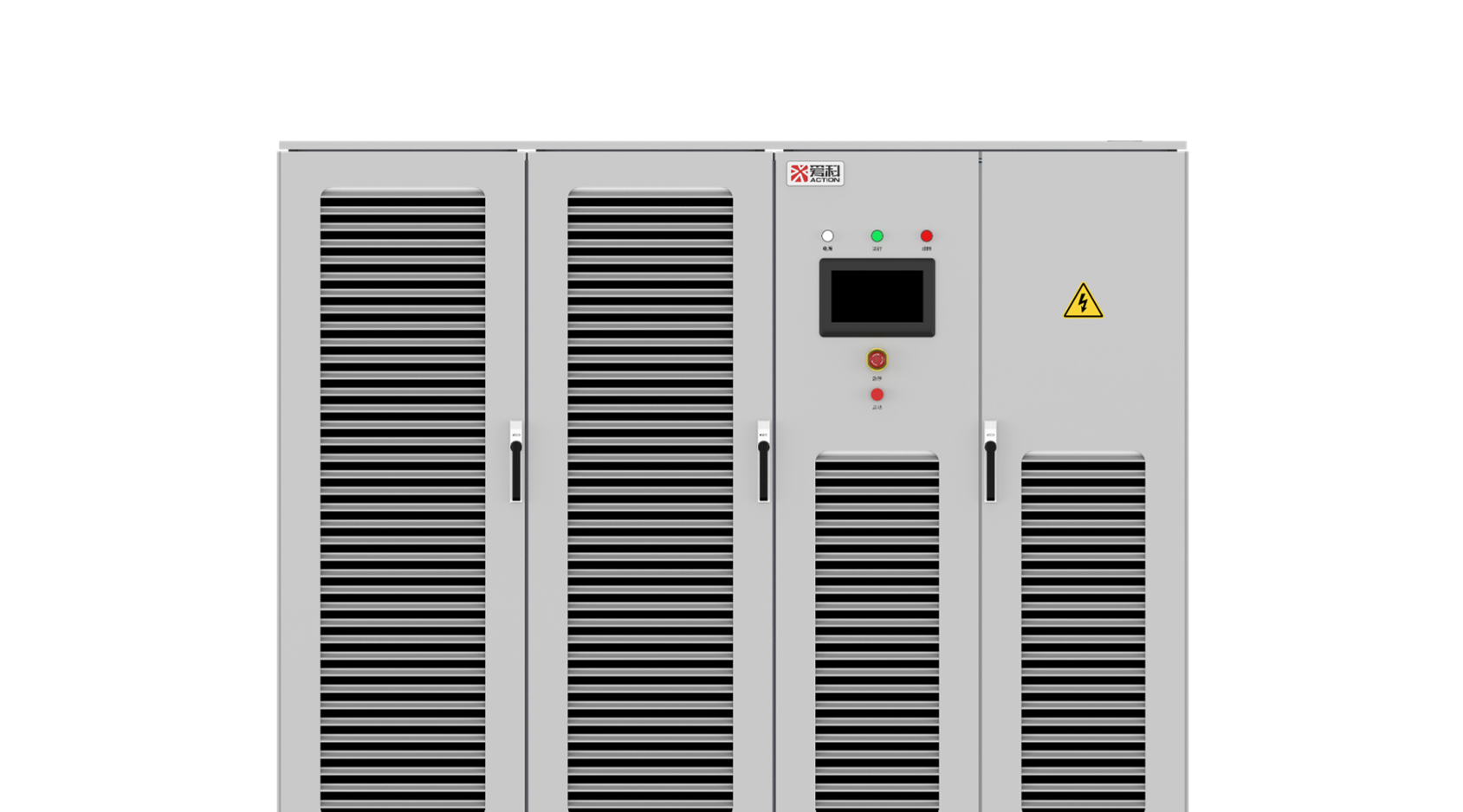
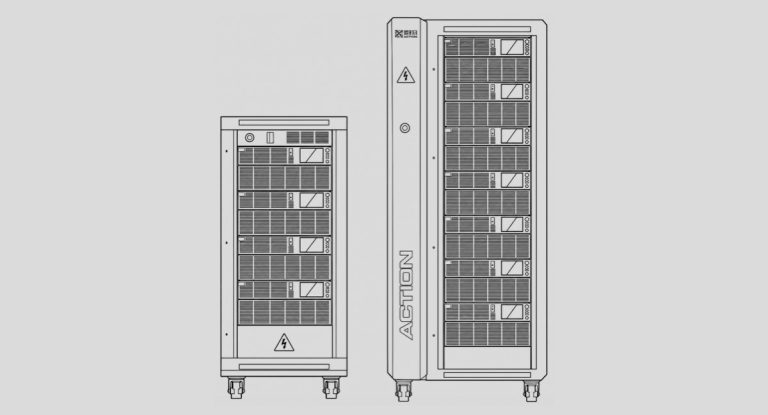
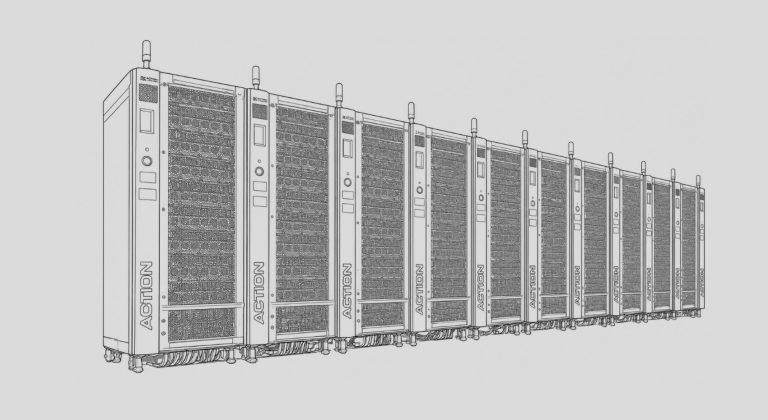
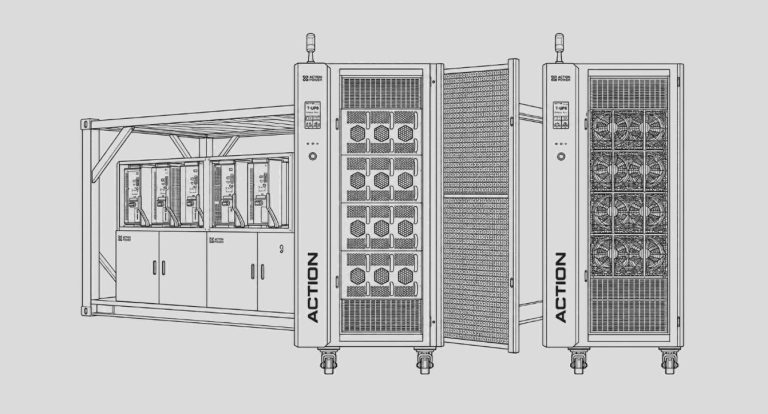
To test a Battery Backup Unit (BBU) for AI data centers, engineers must evaluate how the battery system behaves from cell to module to pack under real operating conditions - including voltage, current, temperature, and fast load transients caused by AI clusters.
Equally important is verifying how the BMS reacts to these conditions through its cell supervisory circuits (CSCs), such as temperature sensing, current monitoring, protection logic, and state-of-charge (SOC) tracking. Traditionally, this required large physical battery banks running in climate-controlled labs, which is expensive, slow, and risky when pushing batteries near their limits.
A modern and practical approach is to test the BBU using cell emulation combined with a programmable battery cycler. The cell emulator reproduces the electrical behaviour of series - parallel battery strings, including internal resistance and temperature dependence, while the battery cycler drives realistic charge–discharge profiles, depth-of-discharge patterns, and accelerated ageing cycles representative of data center operation. Together, they allow engineers to safely reproduce events such as sudden grid loss, rapid AI load ramps, and repeated grid-to-battery transitions without using real battery banks. By integrating this setup with the data center control system, UPS, or SST, teams can run closed-loop tests that validate BBU reliability, switching speed, and long-term durability in mission-critical AI facilities.