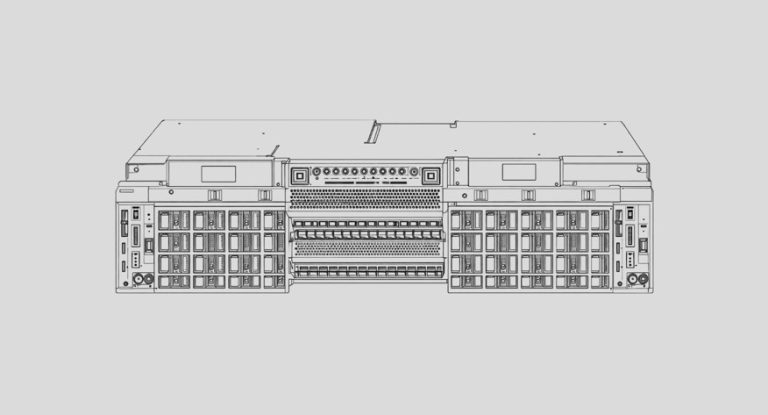
To test an HVDC converter for AI data centers, engineers must evaluate how the converter regulates voltage, manages bidirectional power flow, and maintains DC bus stability under dynamic operating conditions - including fast load transients caused by AI clusters and sudden upstream grid disturbances. Equally important is verifying the converter’s control loops, protection mechanisms, and coordination with upstream AC sources and downstream DC infrastructure such as BBUs and server racks. Traditionally, this required full-scale grid connections and large battery systems, which are costly, inflexible, and difficult to reproduce consistently in laboratory environments.
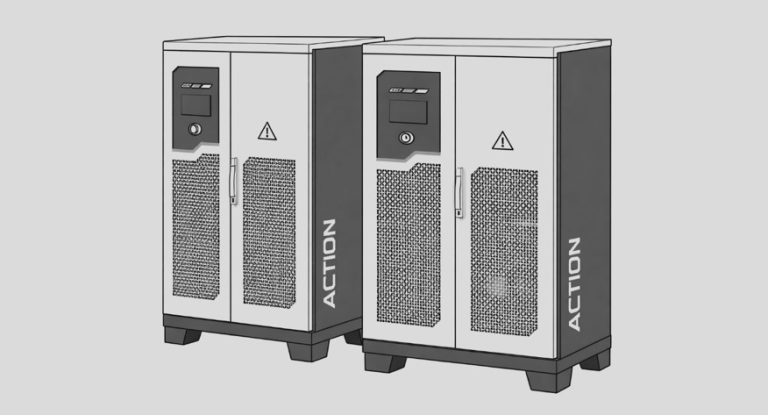
A modern and practical approach is to validate HVDC converter performance using a programmable grid simulator combined with bidirectional DC sources and DC load emulation. The grid simulator reproduces utility-side voltage variations, frequency disturbances, and fault events, while the bidirectional DC system emulates the DC bus, BBU interaction, or server load profiles. Together, they allow engineers to safely reproduce real data center scenarios such as grid faults, rapid load ramps, and battery takeover transitions without relying on live infrastructure. This closed-loop test environment enables comprehensive validation of HVDC converter regulation accuracy, transient response, protection coordination, and overall system resilience for mission-critical AI data center operation.